
Guide to Affordable Electric Water Heater Repair
There is nothing quite as annoying as stepping into the shower and being greeted by an icy blast of cold water. If you are being forced to experience this, you are likely looking for Electric Water Heater Repair, a specialty of DFW Rapid Repair operating out of Irving, Texas. We love our hot showers, and understand exactly how vital a consistent hot water supply is for your home. While most tanks require replacement, we are here to help you navigate these common issues with this helpful repair guide.
Whether you are searching for electric water heater repair near Dallas-Fort Worth or specifically need electric water heater repair in Irving, Texas, you need a team that understands the local plumbing landscape and the specific demands of residential water heaters. DFW Rapid Repair, LLC holds Responsible Master Plumber License 43940 from the Texas State Board of Plumbing Examiners. When you suspect an issue, call 817-896-2226 or message DFW Rapid Repair for electric water heater repair near Irving, Texas.
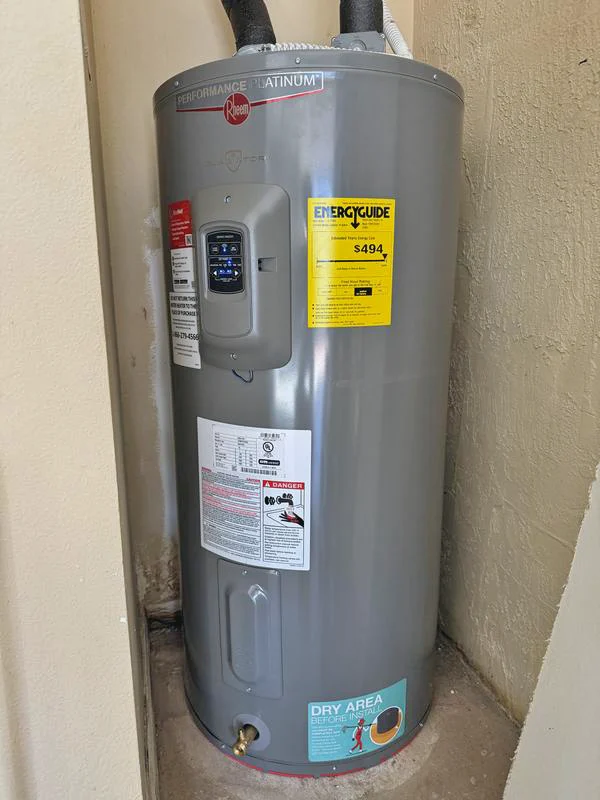
Common Signs You Need Electric Water Heater Repair
Not every issue requires complete hot water heater replacement. Often, a professional electric water heater repair can restore your unit to peak performance. Here are a few signs that it is time to call in the experts:
- No Hot Water: This is the most common reason homeowners seek electric water heater repair. It could be a simple tripped circuit breaker, a faulty heating element, or a malfunctioning thermostat.
- Insufficient Hot Water: If your water gets warm but never quite hot enough, or runs out quickly, your heating elements may be struggling or your thermostat may need recalibration.
- Strange Noises: Popping or rumbling sounds often indicate heavy sediment buildup at the bottom of your tank, which can reduce your heater’s efficiency and longevity.
- Discolored Water: If your hot water looks rusty, it may be a sign of internal tank corrosion, often caused by a depleted anode rod. A professional inspection can determine if a repair is still viable.
Choose Local Expertise for Your Water Heater
When you are searching for electric water heater repair in Irving, Texas, you want someone who can arrive quickly and diagnose the problem correctly the first time. DFW Rapid Repair is available to affordably repair and replace your hot water heater without the hassle. DIY repairs on electric water heaters can be dangerous due to the high-voltage electricity involved (typically 208–240 volts).
By choosing a professional expert such as DFW Rapid Repair for your electric water heater repair near Dallas TX, you ensure:
- Safety: We handle all electrical components with the necessary precautions to prevent injury or damage.
- Accuracy: We can quickly test thermostats and heating elements to see if they are the true source of the problem.
- Efficiency: We’ll ensure your unit is not only repaired but optimized for energy efficiency, potentially lowering your utility bills.
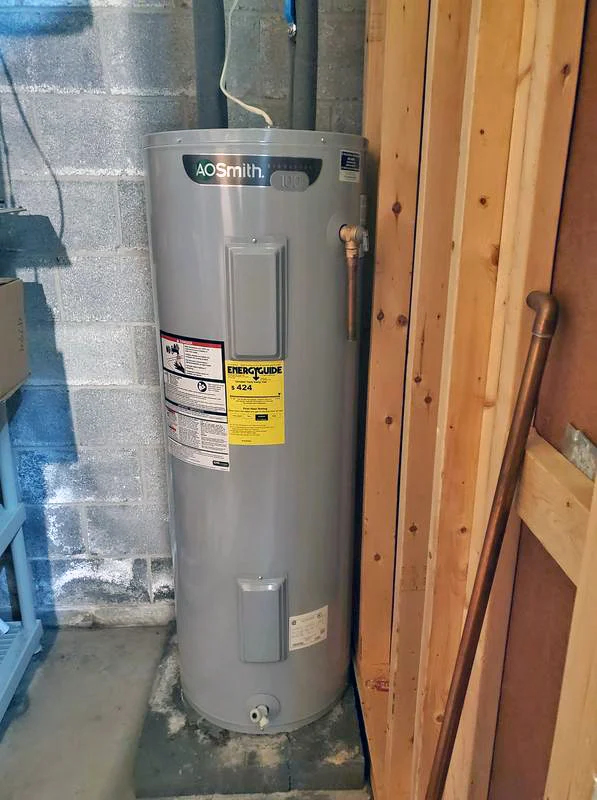
When Is It Time for Replacement?
While we prioritize electric water heater repair whenever possible, sometimes a tank is simply beyond saving. If your tank is leaking due to internal corrosion or is more than 10–12 years old, it may be more cost-effective to upgrade to a new, modern unit. We provide honest, professional assessments so you can make the best decision for your home and budget.
Deciding when to replace an electric water heater is a balance between maintenance, cost, and safety. While some minor issues can be solved with a simple repair, there comes a point where investing in a new unit is the smarter, more economical choice.
The Age Benchmark
The most reliable indicator is simply the age of your unit.
- 10-Year Rule: Most traditional tank-style electric water heaters have an average lifespan of 8 to 12 years. If your unit is over 10 years old, it is statistically more likely to experience a significant failure.
- Proactive Planning: If your heater is approaching or has passed the 10-year mark, you should begin planning for a replacement—even if it seems to be working fine. Replacing it proactively allows you to choose a model that fits your needs rather than being forced into an emergency purchase during a breakdown.
Physical Signs of Tank Failure
Certain symptoms indicate that the integrity of the tank itself has been compromised, meaning it can no longer be safely repaired.
- Leaks or Pooling Water: While a leak from a loose valve or fitting can often be fixed, moisture or puddles originating from the body of the tank usually point to internal corrosion that has eaten through the metal. A compromised tank is at high risk of a sudden, catastrophic failure.
- Rusty or Discolored Water: If your hot water looks brown, reddish, or muddy, it is a strong signal that the inside of the tank is rusting. This often means the protective anode rod has been fully depleted, allowing the steel lining to corrode. Once the tank is rusting from the inside out, replacement is the only solution.
Performance and Cost Factors
Sometimes a unit is technically “working,” but it is failing in ways that impact your wallet and comfort.
- The 50% Rule: A common industry rule of thumb is that if a repair costs more than 50% of the price of a new unit, you should opt for a full replacement. This is especially true if the unit is already in the later stages of its lifespan.
- Frequent Repairs: If you find yourself calling for professional service more than twice a year, you are likely “throwing good money after bad”. A unit that requires constant intervention is nearing the end of its reliable service life.
- Rising Energy Bills: An aging, inefficient heater must work much harder to produce the same amount of hot water. If your energy costs are climbing without an obvious cause, your water heater may be losing the battle against sediment buildup and internal wear.
Signs of Irreversible Damage
- Persistent Unusual Noises: While a one-time flush might quiet a rumbling or popping tank, persistent, loud noises indicate that hardened sediment has created a permanent insulating layer at the bottom of the tank. This causes the tank to overheat and accelerates structural damage. If the noises continue after professional maintenance, it is often a sign of terminal damage.
- Inconsistent Hot Water: If you are experiencing lukewarm water that never gets hot, even after troubleshooting the heating elements and thermostat, the system’s ability to maintain temperature has likely failed due to age and total system degradation.
Summary Recommendation: If your water heater is over 10 years old and exhibiting any of the “red flag” symptoms—such as leaking, rust-colored water, or repeated component failures—prioritizing a replacement will save you from the stress and potential water damage associated with an emergency, midnight failure.
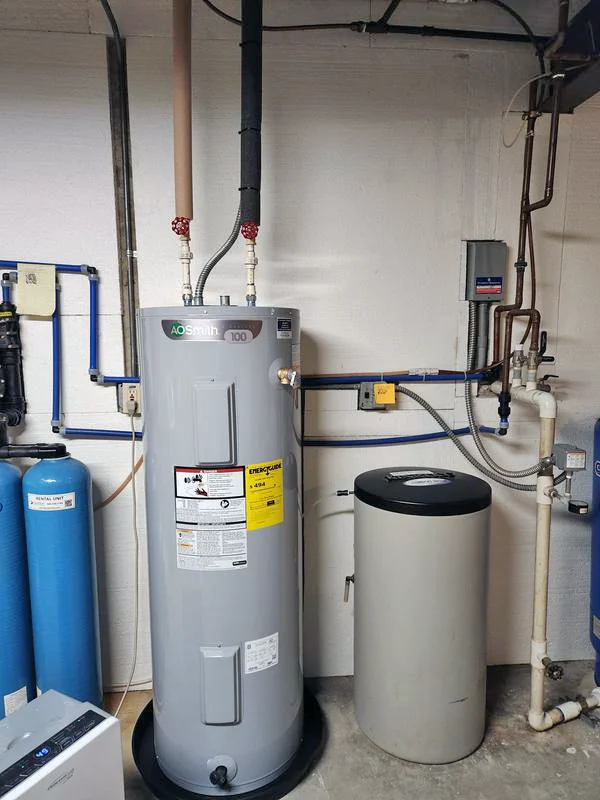
Emergency? Call DFW Rapid Repair Today
Don’t let a faulty water heater tank disrupt your busy day. Whether you need an emergency electric water heater repair or are just looking for a routine maintenance check to prevent future issues, DFW Rapid Repair is here for you.
We are proud to provide expert electric water heater repair in Irving, Texas, and throughout the greater Dallas Fort Worth area. Led by Master Plumber James Roberts (License #43940),we are committed to providing reliable service, transparent pricing, and lasting solutions for all your hot water needs. Contact us today for a consultation and experience the difference of professional water heater replacement in Irving!